
I am Flexible
Deep Tissue Massage
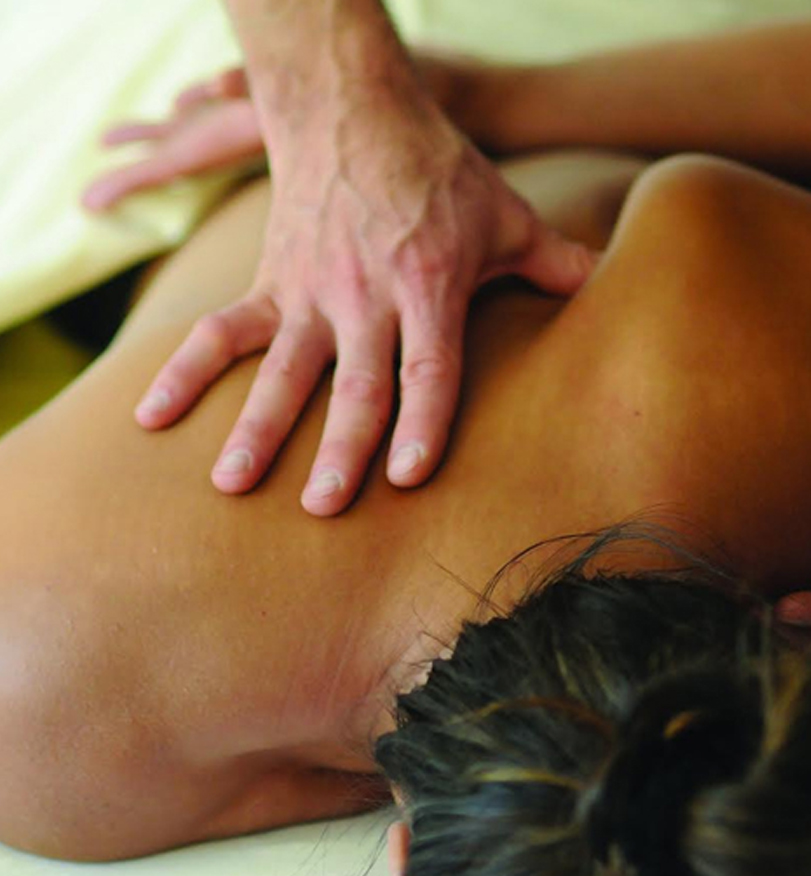
Deep Tissue Massage
Deep Tissue Massage is one of our most requested services. Most people ask for deep tissue because they have an area that feels tight, overworked, or hard to release on their own.
Deep tissue does not mean pushing as hard as possible. A good Deep Tissue Massage is specific, steady, and adjusted to the person on the table. The pressure should feel useful, not punishing. The goal is to work with the body so the muscles can soften without causing you to tense up against the work.
This type of massage is often a good fit for people who like firmer pressure, have experience receiving massage, or need more attention to long-standing tension. It may be a good choice for active clients, athletes, busy professionals, caregivers, and people who hold stress in their neck, shoulders, back, hips, or legs.
What Is Deep Tissue Massage?
Deep Tissue Massage uses slower, more focused pressure to work with deeper layers of muscle and connective tissue. The therapist may use hands, forearms, elbows, knuckles, or steady pressure to work with areas that feel tight, guarded, or restricted.
A deep tissue session does not have to be deep everywhere. Some clients want firm pressure throughout the massage. Others only need deeper work in a few areas, such as the neck, shoulders, upper back, low back, hips, glutes, or legs.
Often, the session begins with broader massage techniques to warm the tissue and help the body relax. Once the body starts to settle, the therapist can work more specifically into the areas that need attention.
How Deep Tissue Massage Is Used
Every session is customized. Deep tissue techniques may be used on their own or blended into an integrative massage depending on what your body needs that day.
A session may include Swedish massage, deep tissue work, trigger point techniques, stretching, heat, cupping, or other therapeutic approaches. The point is not to force the session into one category. The point is to use the right tools at the right time.
Deep Tissue Massage may focus on:
- Neck and shoulder tension
- Upper back and mid-back tightness
- Low back and hip tension
- Glute and leg tension
- Repetitive-use tension
- Athletic recovery
- Muscle tension from stress or posture
- Areas that feel tight, tired, or slow to relax
Deep tissue work is also often used during Sports Massage sessions when an athlete or active client needs more specific work in areas that feel overused, tired, or restricted.
Deep Tissue Does Not Have to Hurt
One of the biggest misunderstandings about Deep Tissue Massage is that it has to hurt to work. It does not.
Some areas may feel tender or intense, especially if they have been tight for a long time. But the work should stay within a range that feels manageable. If the pressure is too much, most people naturally tighten up instead of relaxing. That is not the goal.
A good deep tissue session uses enough pressure to be effective while still allowing you to relax. You can ask for more pressure, less pressure, or a different approach at any time.
Trigger Point and Neuromuscular-Informed Work
Trigger point work may be included when there are specific tender spots or tight bands within the muscle. These areas can sometimes create sensations that travel to another part of the body.
During this work, the therapist may use focused pressure and check in with you about intensity and comfort. The goal is not to push through pain. The goal is to work at a level where the area can soften without making the rest of the body brace.
Connective Tissue Techniques
Myofascial and connective tissue techniques may also be used during a Deep Tissue Massage session. Fascia is the connective tissue that surrounds and supports the muscles and other structures in the body.
When an area feels restricted or less mobile, slow and specific techniques may be used. This work is often slower than general relaxation massage and may use less oil or lotion so the therapist can better work with the tissue.
The pressure can feel firm or intense at times, but it should still feel useful and within your comfort level.
What to Expect During a Deep Tissue Massage
Your session begins with a brief conversation about what brings you in, where you feel tension, and how much pressure you usually prefer. You can let your therapist know whether you want deep pressure throughout the session or only in certain areas.
The therapist may begin with warming techniques before moving into slower, more focused work. You may be asked for feedback, especially when working with tender or restricted areas.
Some clients feel lighter or more relaxed right away. Others feel like their body continues to unwind over the next day or two. Mild soreness can happen after focused work, but you should not leave feeling beat up.
Who Is Deep Tissue Massage Good For?
Deep Tissue Massage may be a good fit if you:
- Prefer firmer massage pressure
- Have areas that always seem tight
- Sit at a desk or computer for long periods
- Do physical work
- Exercise regularly
- Carry stress in your neck, shoulders, back, hips, or legs
- Want focused massage instead of a purely relaxation-based session
- Like massage that feels specific and productive
If you are new to massage or unsure about pressure, you do not have to start with a full Deep Tissue Massage. We can blend deeper work into a regular session and adjust as we go.
Potential Benefits of Deep Tissue Massage
Clients often seek Deep Tissue Massage for support with:
- Muscle tension
- Stiffness
- Neck, shoulder, back, hip, or leg tightness
- Stress-related muscle holding
- Repetitive-use tension
- Athletic recovery
- A preference for firmer massage
- Feeling more relaxed and mobile
Deep Tissue Massage is a wellness service and is not a replacement for medical care, physical therapy, or treatment from a healthcare provider. If you have an injury, recent surgery, unexplained pain, or a medical condition, please consult your healthcare provider before booking.