
I am Relieved
Trigger Point Therapy
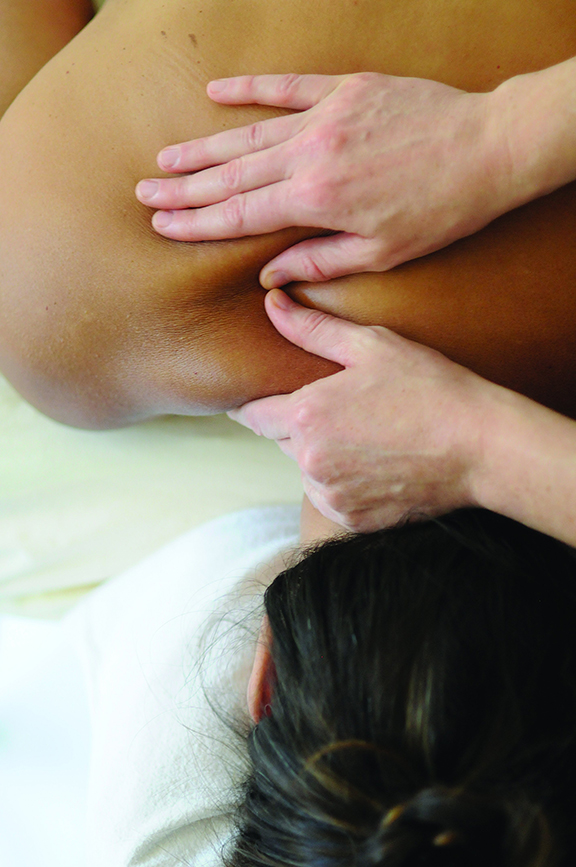
Trigger Point Therapy
Trigger Point Therapy is focused massage work for tight, tender, or irritated areas in the muscles. These areas are often called “trigger points” because they can feel sensitive in one spot and sometimes create sensation somewhere else in the body.
This work may be included in a regular massage session when an area feels stuck, overworked, or difficult to soften with general massage. It is often used along with Deep Tissue Massage, Sports Massage, Medical and Clinical Massage, or other therapeutic techniques.
Trigger point work does not have to be aggressive. The goal is not to force the muscle to release or push through pain. The goal is to use steady pressure at a level your body can tolerate so the area has a chance to soften.
What Is Trigger Point Therapy?
Trigger Point Therapy uses steady, specific pressure on areas of muscle tension. Instead of long gliding strokes, the therapist may hold pressure on a tender point for several seconds or longer, then adjust based on how the area responds.
Some points may feel achy, warm, tender, or connected to another area. For example, work in the neck or shoulders may create sensation into the head, arm, or upper back. This is one reason communication during the session matters.
Trigger point work is usually blended into massage rather than used as a full session by itself. A few focused points may be enough, or the therapist may spend more time in one area depending on your goals.
How We Think About Trigger Point Work Today
Trigger point therapy has a long history in massage and bodywork education. Much of the early language came from the work of Dr. Janet Travell and Dr. David Simons, who helped describe patterns of muscle tenderness and referred sensation.
Today, pain science has continued to evolve. Pain and tension are not always as simple as one tight spot causing one problem. The nervous system, stress, movement habits, sensitivity, sleep, activity level, and overall health can all affect how the body feels.
Because of that, trigger point work is used thoughtfully. The therapist may work with the tender area itself, but may also address surrounding muscles, breathing, positioning, movement, or other areas that seem connected.
What Does Trigger Point Work Feel Like?
Trigger point work can feel more specific than general massage. You may feel steady pressure, tenderness, warmth, aching, or a sensation that travels to another area.
The pressure should feel manageable. It should not feel sharp, overwhelming, or like something you have to endure. If the pressure is too much, most people naturally tighten up instead of relaxing. That is not the goal.
You can always ask for more pressure, less pressure, or a different approach.
How Trigger Point Therapy May Be Used
Trigger point work may be used when a client has areas that feel:
- Tight
- Tender
- Overworked
- Guarded
- Irritated by repetitive movement
- Connected to tension in another area
It may be included for areas such as the neck, shoulders, upper back, low back, hips, glutes, legs, jaw, arms, or hands.
The work may be combined with Swedish Massage, Deep Tissue Massage, Sports Massage, stretching, heat, cupping, myofascial techniques, or other tools.
Who Is Trigger Point Therapy Good For?
Trigger Point Therapy may be a good fit if you:
- Have specific tender spots in your muscles
- Feel like one area keeps tightening up
- Prefer focused therapeutic work
- Carry tension in your neck, shoulders, back, hips, or legs
- Have repetitive-use tension from work, training, or daily activity
- Want massage that is more specific than a general relaxation session
- Are comfortable giving feedback during the massage
Potential Benefits of Trigger Point Therapy
Clients often seek trigger point work for support with:
- Muscle tension
- Tender areas
- Neck, shoulder, back, hip, or leg tightness
- Repetitive-use tension
- Stress-related muscle holding
- Athletic recovery
- Feeling more comfortable and mobile
- Areas that feel slow to soften with regular massage
Results vary from person to person. Some clients feel a difference quickly, while others benefit from a broader approach over several sessions.
Please note: Trigger Point Therapy is a wellness service and is not a replacement for medical care, diagnosis, physical therapy, or treatment from a licensed healthcare provider. If you have an injury, unexplained pain, recent surgery, or a medical condition, please consult your healthcare provider before booking.