
I am Supported
Medical and Clinical Massage
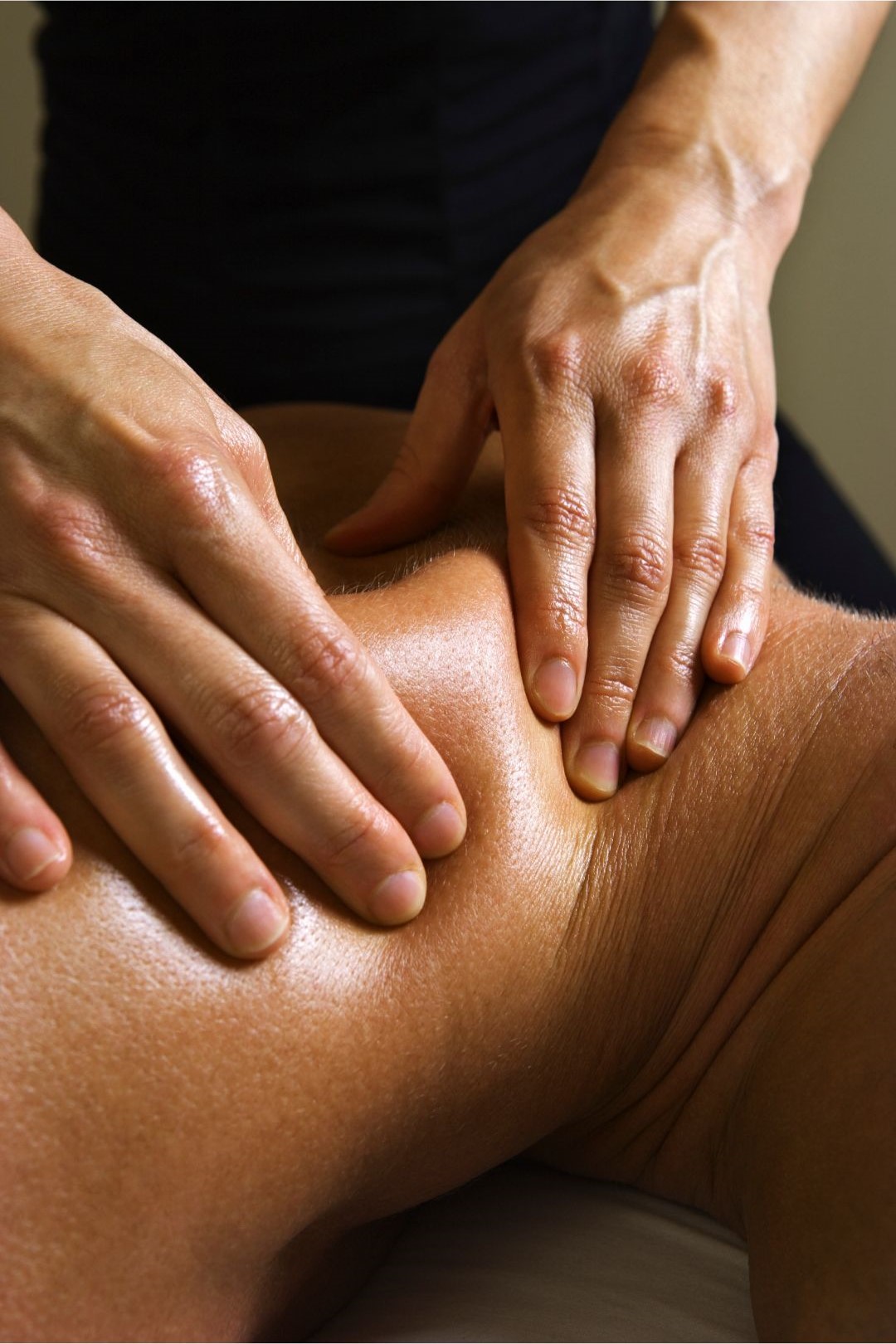
Medical and Clinical Massage
Medical and Clinical Massage is focused, goal-oriented massage for clients who need more than a general relaxation session. It is often chosen when someone has a specific area that feels tight, uncomfortable, limited, or difficult to resolve on their own.
This type of massage is more specific than a full-body relaxation massage. The session is built around what is happening in your body, what areas need attention, and which techniques make the most sense that day.
It may be a good fit for clients dealing with muscle tension, repetitive-use strain, postural stress, athletic demands, or discomfort from daily life and activity. It may also be used as a supportive hand in your health care when you are working with a physician, physical therapist, chiropractor, athletic trainer, or another healthcare provider.
What Is Medical and Clinical Massage?
Medical and Clinical Massage is therapeutic massage with a more focused plan. Instead of following a standard full-body routine, the therapist spends more time looking at the area of concern, the surrounding muscles, and how your body responds to different types of pressure and technique.
A session may include deep tissue work, trigger point techniques, gentle stretching, cupping, heat, or other massage approaches. The point is not to force the session into one style. The point is to use the right tools for what you bring in.
This work does not replace medical care. It is hands-on supportive care that may help with comfort, mobility, and body awareness as part of your larger wellness or healthcare plan.
How This Type of Massage Is Used
Every session begins with a conversation about what brings you in. You may be asked where you feel tension, how long it has been bothering you, what makes it better or worse, and whether you are currently receiving care from another provider.
The massage may focus on one main area, such as the neck, shoulders, back, hips, or legs. It may also include connected areas that are contributing to the problem. For example, shoulder tension may involve the neck, upper back, chest, and arm. Low back tension may involve the hips, glutes, and legs.
The work is specific, but it should still feel respectful and manageable. More pressure is not always better. The goal is to work at a level where your body can respond without tightening against the work.
Massage as a Supportive Hand in Your Health care
Massage can be a helpful addition when you are already working with another provider. If your doctor, physical therapist, chiropractor, or trainer has given you guidance, you are welcome to share that information before your session.
Massage therapists do not diagnose medical conditions or replace treatment from licensed healthcare providers. What skilled massage can do is offer a supportive hand in your healthcare by working with muscle tension, stress-related holding, and soft tissue patterns that may be affecting how you feel in your body.
What to Expect During a Session
Your session begins with a brief intake so your therapist can understand your goals and any relevant health history. You may discuss areas of pain or tension, recent injuries, surgeries, activity level, pressure preferences, and any positions that are uncomfortable.
The massage itself may be more focused than a traditional relaxation massage. Some sessions may spend most of the time on one or two areas. Others may use a broader approach if your tension pattern involves several connected areas.
Your therapist may check in about pressure, tenderness, comfort, and how the work feels. You can ask for changes at any time.
Who Is Medical and Clinical Massage Good For?
This type of massage may be a good fit if you:
- Want focused work on a specific area
- Have long-standing muscle tension
- Feel limited by tightness or stiffness
- Experience repetitive-use strain from work or activity
- Are active, athletic, or physically demanding in your daily life
- Are recovering from a strain, overuse pattern, or period of reduced movement
- Want massage that is more goal-oriented than relaxation-based
- Are working with another healthcare provider and want supportive bodywork
- Prefer massage that is specific, thoughtful, and adjusted to your body
Potential Benefits of Medical and Clinical Massage
Clients often seek this type of massage for support with:
- Muscle tension
- Stiffness
- Neck, shoulder, back, hip, or leg tightness
- Repetitive-use patterns
- Stress-related muscle holding
- Athletic recovery
- Improved body awareness
- Feeling more comfortable and mobile
Results vary from person to person. Some clients feel a difference after one session, while others benefit from a series of sessions over time.