
I am Transformed
Biodynamic Craniosacral Therapy
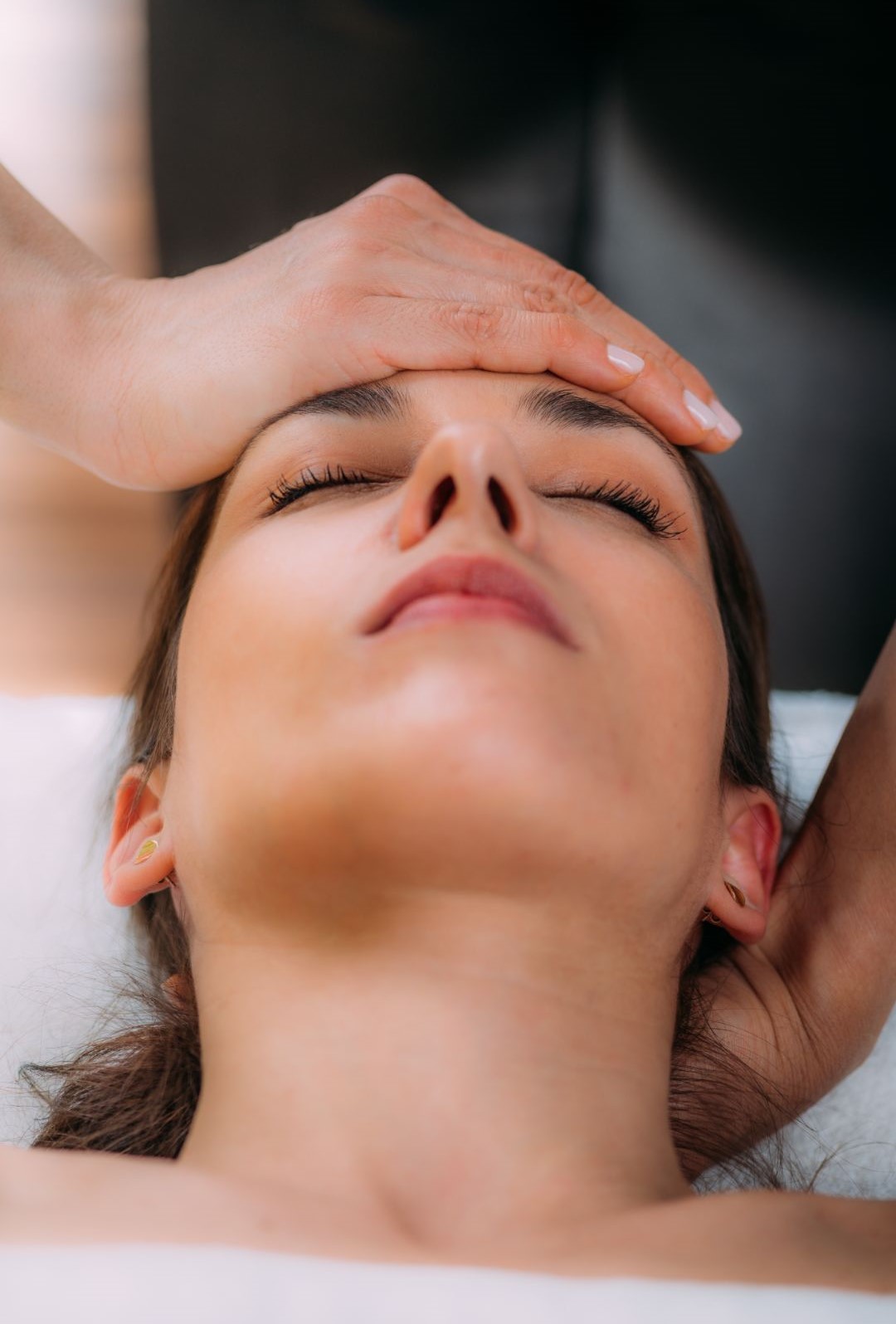
Biodynamic Craniosacral Therapy
Biodynamic Craniosacral Therapy, often called BCST, is a gentle, fully clothed bodywork session that uses light touch to help the body settle. It is quiet, subtle work that can support deep rest, body awareness, and nervous system regulation.
At Armory Massage, BCST is offered by Melissa, a certified Biodynamic Craniosacral Therapist with advanced training and many years of hands-on experience. Melissa’s approach is calm, grounded, and respectful of the person on the table. This work is not about forcing the body to change. It is slower and more listening-based.
BCST can be booked as a full session, but Melissa may also weave elements of this work into a regular massage when it makes sense. With so many tools and techniques available, a session does not have to fit into only one category. Sometimes a few quiet moments of craniosacral-informed touch can help the body settle before deeper massage work begins.
Many clients choose Biodynamic Craniosacral Therapy when they feel overwhelmed, depleted, sensitive to deeper pressure, or in need of a calmer kind of bodywork. It can be a good fit for people who want gentle care, quiet space, and a slower approach than traditional massage.
What Is Biodynamic Craniosacral Therapy?
Biodynamic Craniosacral Therapy is a gentle form of therapeutic touch that focuses on the body’s natural rhythms, patterns of tension, and ability to settle into a more regulated state. A session is usually quiet and deeply restful. Melissa may use light contact at the head, spine, sacrum, feet, shoulders, or other areas of the body.
Unlike massage, BCST does not use kneading, deep pressure, or stretching. The work is very light. The goal is to create a calm, supportive environment where the body can feel less guarded and more at ease.
How BCST May Be Included in a Massage Session
Biodynamic Craniosacral Therapy does not always need to be a separate appointment. Elements of this work may be included in a regular massage when it supports the client’s comfort and the goals of the session.
For example, gentle craniosacral-informed touch may be used at the beginning of a massage to help the body settle, during the session when an area feels guarded, or near the end to help the client leave feeling more grounded.
This can be especially helpful when someone has trouble relaxing, feels overstimulated, or comes in carrying a lot of stress. Sometimes the most effective part of a session is not more pressure, but giving the body a chance to feel safe enough to let go.
Potential Benefits of Biodynamic Craniosacral Therapy
Clients often seek BCST for support with:
- Deep relaxation
- Stress and tension
- Feeling calmer and more grounded
- Nervous system regulation
- Gentle bodywork when deeper pressure does not feel right
- Body awareness
- Rest during busy or stressful times
- A quieter, more spacious massage experience
Biodynamic Craniosacral Therapy is a complementary wellness service. It is not a replacement for medical care, mental health care, physical therapy, or other treatment from a licensed healthcare provider.
What to Expect During a Session
Your session begins with a brief conversation with Melissa about what brings you in, what you are hoping for, and anything she should know before beginning. You will remain fully clothed and rest comfortably on the massage table.
Melissa uses light, respectful touch and may hold contact in one area for several minutes at a time. Sessions are usually quiet. Some clients notice warmth, softening, small movements, emotional release, or a deep sense of rest. Others simply feel calm and still. There is no right or wrong way to experience the work.
You do not need to do anything during the session. You are always welcome to ask for adjustments to your position, temperature, touch, or anything else that would help you feel more comfortable.
Who Is Biodynamic Craniosacral Therapy Good For?
Biodynamic Craniosacral Therapy may be a good fit if you:
- Prefer gentle bodywork
- Are sensitive to deep pressure
- Feel overstimulated or depleted
- Want a quiet session focused on rest
- Have trouble relaxing during massage
- Want bodywork that feels slow, subtle, and supportive
- Are looking for a calmer alternative to traditional massage
It may also be supportive for clients who are moving through stress, transition, physical tension, or simply want to reconnect with their body in a calm and grounded way.